
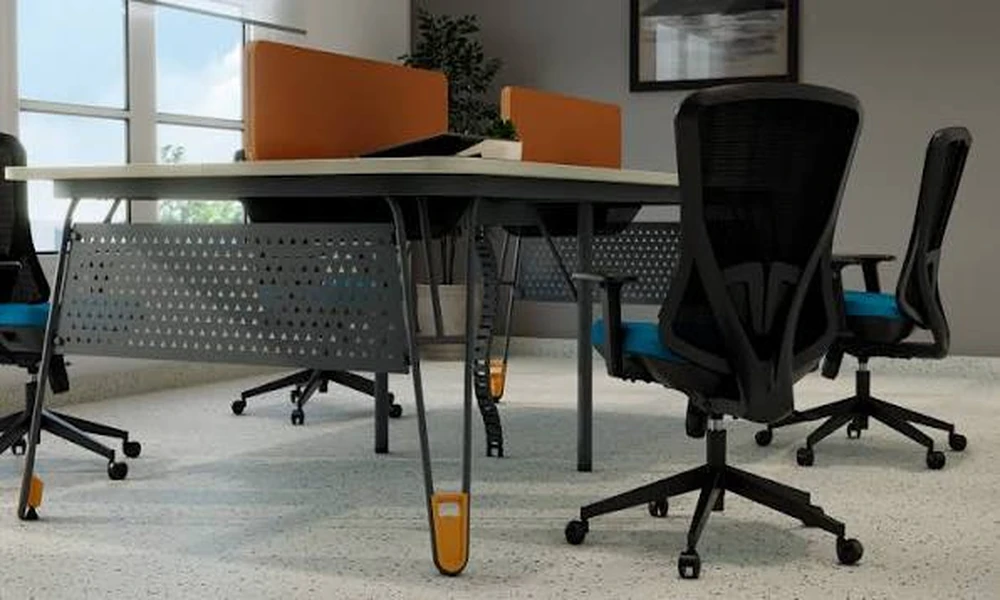

Choosing an office chair is about far more than finding something that looks good behind your desk. If you spend several hours working, studying, or managing tasks from home, the right chair can make a noticeable difference in how comfortable and focused you feel throughout the day. That is why comfort should be one of the first things to consider when comparing home office chairs, rather than something treated as an afterthought.
A well-designed chair should support your body while allowing you to move naturally. It should also suit the way you work, the amount of time you spend sitting, and the space available in your home office. With so many styles available, understanding what genuinely contributes to comfort can make the decision much easier.
Why Comfort Matters During the Working Day
Sitting for long periods can leave you feeling stiff, tired, and distracted, particularly when your chair does not provide adequate support. A chair that feels comfortable for ten minutes may not feel nearly as suitable after several hours at a desk.
Comfort is closely connected to support. Your lower back, shoulders, hips and legs should feel properly supported without the chair restricting your movement. When a chair allows you to maintain a natural seated position, you are less likely to spend the day constantly shifting around in search of a more comfortable position.
A comfortable chair can also help create a more pleasant working environment. When you are not repeatedly adjusting your seat or thinking about discomfort, it becomes easier to concentrate on the task in front of you.
What Makes an Office Chair Comfortable?
Comfort depends on several features working together rather than one particular element. When comparing different chairs, consider the following:
- Adjustable seat height: Your feet should be able to rest comfortably on the floor while your legs remain in a relaxed position. Height adjustment also helps you find a suitable position in relation to your desk.
- Lumbar support: The lower back benefits from adequate support that follows its natural curve. Adjustable lumbar support can make it easier to find a position that feels right for you.
- Supportive backrest: A good backrest should support your back without making you feel restricted. A reclining function can also be useful if you regularly change position while working.
- Comfortable seat padding: The seat should provide cushioning without allowing you to sink excessively into it. A balance between softness and support is generally more practical for longer periods of sitting.
- Suitable seat depth: Your legs should have enough room without the front edge of the seat pressing uncomfortably behind your knees.
- Adjustable armrests: Armrests can provide useful support for your arms and shoulders, particularly when typing or using a mouse. Ideally, they should allow you to position your arms naturally.
- Breathable materials: If your workspace becomes warm, breathable upholstery or mesh can help make the chair more comfortable throughout the day.
- Freedom of movement: A chair should allow you to turn, reach, and adjust your position without unnecessary restriction. Movement can make long working sessions feel less tiring.
- A suitable size: A chair that is too large or too small may fail to provide the support you need. Consider the dimensions carefully rather than assuming one size will suit everyone.
These features are worth considering together. A chair with excellent padding, for example, may still feel uncomfortable if its height or back support cannot be adjusted to suit your working position.
Look for Adjustable Features
One of the biggest advantages of a good office chair is adjustability. Everyone has a different body shape and working style, so a chair with fixed dimensions may not provide the right fit.
Seat height is particularly important, but other useful features can include adjustable armrests, backrest positioning, and seat depth. These allow you to customise the chair rather than forcing your body to adapt to it.
You do not necessarily need a chair with every possible adjustment. Instead, focus on the features that correspond with how you actually work.
Think About How You Actually Work
There is no single office chair that suits everyone. Someone who spends most of their day typing may have different requirements from someone who frequently moves between their desk, phone, and other parts of the room.
Think about your daily routine before making a decision. Do you tend to sit in one position for long periods? Do you move around frequently? Do you lean back while reading or taking calls? Your answers can help determine which features are genuinely useful.
It is also worth considering your desk height, monitor position, and available floor space. Even a supportive chair may not feel comfortable if the rest of your workstation is poorly arranged.
Comfort and Style Can Work Together
Prioritising comfort does not mean compromising on appearance. Modern office chairs are available in a wide range of designs, from understated options for minimalist interiors to more distinctive pieces that become part of the room’s aesthetic.
The key is to avoid choosing a chair based purely on appearance. A beautifully designed chair that becomes uncomfortable after an hour is unlikely to be a worthwhile addition to your workspace.
Instead, look for a balance between ergonomics, materials, adjustability, and visual appeal. Your office chair is likely to be one of the most frequently used pieces of furniture in the room, so it needs to work practically as well as aesthetically.
Conclusion
An office chair should support the way you work, not simply fill the space beneath your desk. Comfort, adjustability, lumbar support, seat design, and freedom of movement all contribute to a chair that feels suitable for everyday use.
By putting comfort first and then considering style, materials, and design, you can choose an office chair that fits naturally into both your working routine and your home. The right chair should make your workspace feel more comfortable from the moment you sit down, helping you settle into your day without constantly thinking about the chair beneath you.
Why Comfort Should Come First When Choosing an Office Chair