
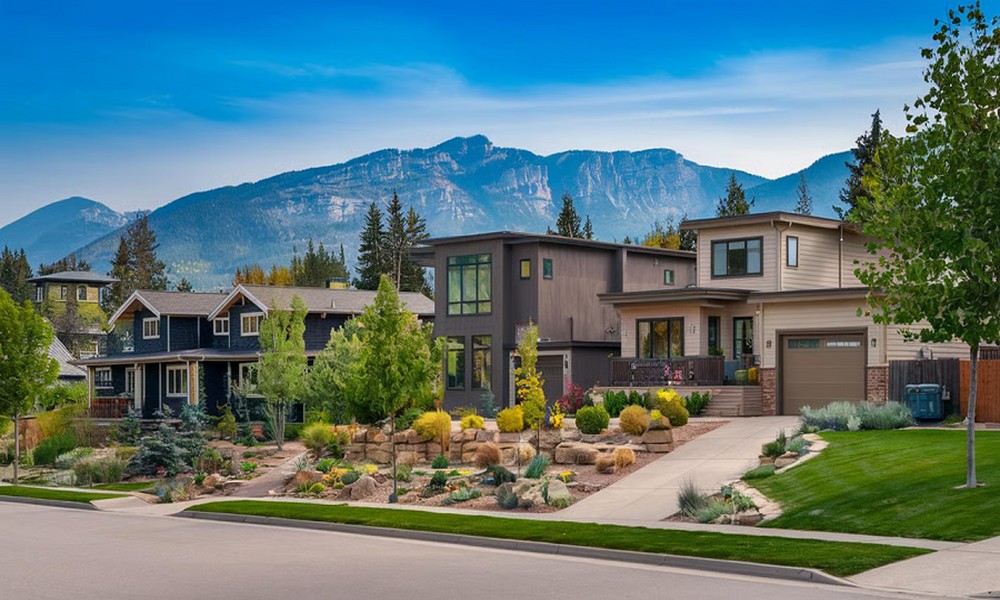

There is something familiar about the way a service call starts in Green Mountain or Applewood. A homeowner notices rust-tinged water coming from the kitchen tap. Or low pressure in the master bath shower that seems to get worse every winter. Or a pipe that quietly fails behind a wall that was never supposed to cause any trouble. When a repiping company in Lakewood gets that call, the address says a lot before the technician even arrives on site.
These two Lakewood neighborhoods generate more repiping service calls than almost anywhere else in Jefferson County. That is not a coincidence. It is a direct result of when these communities were built, what materials were used, and how Lakewood’s specific environment interacts with aging plumbing infrastructure over time.
If you own a home in either neighborhood, or if you are considering buying one, understanding why these zip codes appear so frequently in plumbing service records is important information, not just for your water pressure, but for the long-term value of your property.
A Snapshot of Green Mountain and Applewood Housing Stock
Green Mountain (ZIP 80228) and Applewood (ZIP 80215) were developed heavily during the post-World War II housing boom that stretched from the late 1940s through the 1970s. Builders in that era used what was considered the best available material at the time: galvanized steel pipe for water supply lines.
Galvanized steel is coated with a layer of zinc to resist corrosion. That zinc coating lasts roughly 40 to 50 years under typical residential conditions. For homes built in 1958 or 1965 or 1972, the math is not subtle. Those pipes passed their design life between the late 1990s and mid-2010s. Many of them are still in place today.
In Applewood in particular, the neighborhood’s mix of ranch-style homes on larger lots means the supply lines travel longer horizontal distances inside walls and under slabs before reaching fixtures. Longer runs mean more opportunity for corrosion, mineral accumulation, and pressure loss to compound before the problem becomes visible.
What Galvanized Pipe Failure Actually Looks Like From the Inside
Most Lakewood homeowners experience galvanized pipe failure gradually, which is part of why it gets ignored for so long. The exterior of the pipe may look intact from a crawl space inspection. But inside, corrosion works from the zinc layer inward, building a rough, rust-encrusted interior surface that narrows the pipe’s effective diameter year by year.
Common signs that a repiping company in Lakewood is likely to identify during a plumbing inspection near Lakewood include:
- Discolored or rusty water, especially after the water has been off overnight
- Persistently low water pressure across multiple fixtures in the home
- Pinhole leaks that appear in one location but indicate widespread pipe degradation
- A metallic taste or smell in tap water
- Uneven water flow between hot and cold supply lines, suggesting unequal buildup rates
Repiping specialists often describe opening a galvanized line from a 1960s Green Mountain home as looking like the inside of a corroded exhaust pipe. The mineral scale and rust flakes that have accumulated over decades are what homeowners are unknowingly running their drinking water through.
How Lakewood’s Environment Accelerates Pipe Corrosion
Lakewood’s location at approximately 5,400 feet above sea level creates a set of environmental conditions that are harder on residential plumbing than most homeowners realize.
Colorado’s Front Range experiences dramatic temperature swings throughout the year, and even within a single day during shoulder seasons. Lakewood routinely sees temperatures drop from the 50s into single digits within a 24-hour window in January and February. This freeze-thaw cycling creates repeated thermal stress on pipe joints and fittings, accelerating microscopic cracking in already-corroded galvanized lines.
Denver Water, which serves much of Lakewood, delivers water that carries moderate mineral content, including calcium and magnesium carbonates. While not classified as severely hard water, the mineral load is sufficient to cause scale buildup inside pipes over decades of use. In galvanized lines where the interior surface is already roughened by corrosion, mineral deposits adhere more aggressively, further restricting flow and trapping particulates.
The combination of age, freeze-thaw stress, and mineral scale is exactly why repiping companies that serve Green Mountain and Applewood see a pattern of whole-house pipe replacement rather than isolated spot repairs. One pinhole leak in a 60-year-old galvanized supply line is rarely an isolated event. It is a signal that the entire system is near the end of its service life.
Why Plumbing Inspections Near Lakewood Matter Before You Buy or Renovate
A standard home inspection in Jefferson County will note the presence of galvanized pipes and flag them as aging, but general inspectors rarely open walls or evaluate internal pipe condition. That distinction matters enormously for anyone purchasing a home in Green Mountain or Applewood, or for current homeowners planning a renovation.
Dedicated plumbing inspections near Lakewood, conducted by a licensed plumber with repiping experience, go significantly further. A thorough plumbing assessment for an older home in these neighborhoods will typically include:
- Visual inspection of all accessible supply lines, drain lines, and shut-off valves
- Water pressure measurement at multiple points to identify flow restriction from internal buildup
- Identification of pipe material throughout the home, including any previous partial replacements
- Assessment of the water heater connection and corrosion at the inlet and outlet
- Documentation of any previous repairs that may indicate a history of leaks or emergency patches
For homebuyers, this kind of detailed plumbing assessment can be the difference between a well-informed purchase price negotiation and an unexpected five-figure repair bill in the first two years of ownership. For current homeowners in Applewood or Green Mountain who have never had a professional plumbing inspection, there is a strong case for scheduling one before the next winter season.
What a Full Repipe Involves for a Lakewood Home
When a repiping company in Lakewood recommends a full repipe, it means replacing all or most of the water supply lines throughout the home with new material. In modern residential repiping, the most common choice is cross-linked polyethylene, known as PEX tubing.
PEX has several advantages that make it well-suited for Lakewood’s climate. It is highly flexible, which means it resists cracking during freeze events far better than rigid copper or galvanized steel. It does not corrode or accumulate mineral scale on its smooth interior walls. And its flexibility allows plumbers to route new supply lines through existing walls with smaller access openings, reducing the amount of drywall repair required after the job is complete.
For a typical 1,500 to 2,000 square foot ranch home in Green Mountain or Applewood, a full residential repiping project can be completed in one to three days depending on access conditions. The process involves opening small sections of drywall at key routing points, threading new PEX supply lines from the main shutoff to each fixture, and testing the system thoroughly before closing the walls.
Homeowners should expect the water to be shut off during work hours over the project duration. A reputable repiping company will coordinate with you on a schedule, ensure water is restored each evening, and handle permit requirements with Jefferson County before beginning any work.
The Cost of Waiting in Green Mountain and Applewood
One of the most consistent observations among Lakewood plumbing professionals is that deferred repiping is almost always more expensive than proactive repiping. A homeowner who addresses aging galvanized supply lines in a planned, scheduled project controls the timeline, the budget, and the disruption.
A homeowner who waits until a pipe fails behind a finished basement wall in Applewood, or until a corroded line floods a bedroom in Green Mountain during a hard freeze, faces emergency service rates, secondary water damage remediation, mold assessment, drywall replacement, and flooring repair on top of the pipe replacement itself.
The plumbing infrastructure in these neighborhoods has had a good run. Many of these homes have served families well for 50 or 60 years on the original supply lines. But the pipes that were installed when John F. Kennedy was in office were not designed to last indefinitely, and in Lakewood’s climate, they have been working hard every single winter.
Scheduling a Plumbing Assessment for Your Lakewood Home
If your home in Green Mountain or Applewood was built before 1980 and you have not had a professional plumbing inspection in the past few years, the most practical step is to schedule one now, before the next heating season begins. A licensed repiping company in Lakewood can evaluate your current pipe condition, give you an honest assessment of how much useful life remains, and provide a clear estimate for a full repipe if one is warranted.
Plumbing inspections near Lakewood that are performed by specialists familiar with the neighborhood’s housing stock will give you far more actionable information than a general home inspection report. Knowing what is actually inside your walls before a problem develops is the kind of knowledge that protects both your home and your budget.
Green Mountain and Applewood are great places to own a home. With the right attention to what is running through the walls, they can stay that way.