
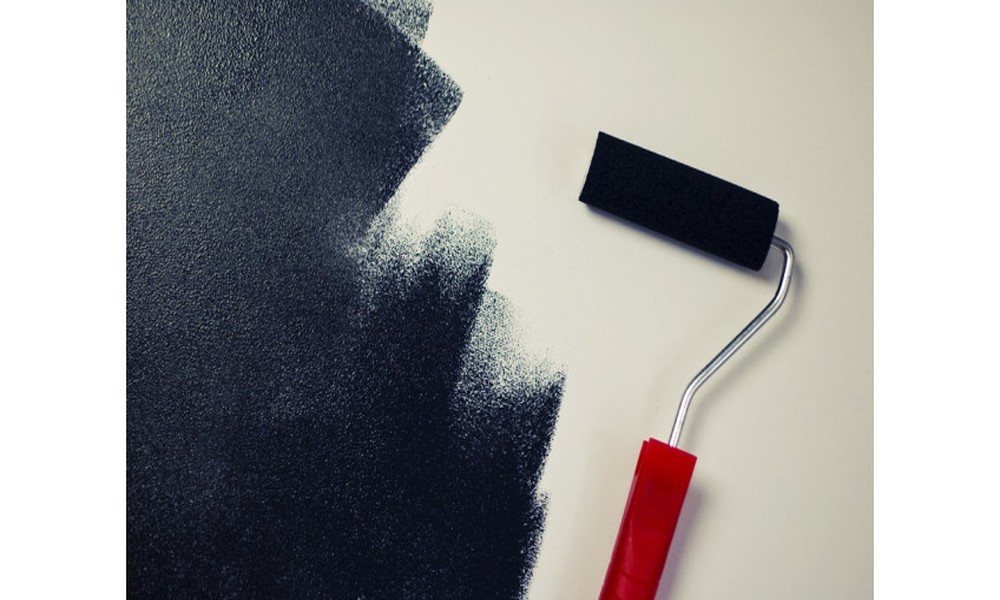

When it comes to painting your home, the tools you choose can completely change the final finish. Many people focus on selecting the perfect paint shade but forget that using the right roller matters just as much. Whether you are painting smooth walls, textured surfaces, wooden furniture, or outdoor items, one thing stays true: the type of foam for paint roller you pick has a big impact on the result.
With so many roller options available in India today, it’s easy to feel confused about which one actually fits your project. That’s why understanding each type of foam for paint roller and its purpose helps you finish your painting work faster, cleaner, and with a professional look.
Why the Right Foam Roller Matters
A paint roller is more than just a simple tool-it controls how evenly the paint spreads, how smooth the area looks, and even how much effort you need to put in. Foam rollers, in particular, are popular because they hold paint well, leave a neat finish, and work on a variety of surfaces. However, not all foam rollers are the same. Some are made for glossy paints, some for textured surfaces, and some for outdoor durability. Knowing the difference saves you time, money, and frustration.
1. Smooth Walls: High-Density Foam Rollers
When painting smooth interior walls, the first thing you need is high-quality foam that spreads paint without leaving streaks. This is where foam for paint roller made from high-density material works best. Because of its tight cell structure, it absorbs paint evenly and releases it smoothly. This helps you achieve a flat, polished finish that looks great on living room walls, bedrooms, and even small kitchen spaces.
These rollers are especially helpful when using enamel or semi-gloss paints on walls. They glide easily and do not leave marks behind. If you love a clean, modern look, this type of foam roller is the right choice.
2. Textured Surfaces: Texture Paint Roller Foam
Not all walls in Indian homes are completely flat. Many houses still use POP textures, orange-peel designs, or light patterns to add style. For these types of surfaces, a regular foam roller won’t work because it doesn’t reach into the tiny gaps and patterns. This is where Texture paint roller foam becomes useful.
These rollers have a thicker and more flexible foam surface that can spread paint into the raised and recessed areas of the wall. They help maintain the original texture while giving the wall a refreshed, uniform colour. They’re perfect for accent walls, decorative finishes, and older homes with textured plaster.
If you want to experiment with DIY texture designs, these rollers can also help you create patterns using special texture paints.
3. Furniture and Doors: Polyurethane Paint Roller
Furniture needs a very different painting approach than walls. Surfaces like wooden cabinets, doors, tables, and chairs require a roller that can produce a super-smooth finish with no air bubbles. That’s why many painters prefer using a polyurethane paint roller.
These rollers are made from durable, solvent-resistant foam that works perfectly with varnish, PU coatings, enamel paints, and wood finishers. They hold the right amount of paint and spread it in a thin, even layer-exactly what wooden furniture needs.
If you are planning to repaint your wooden bed, give your dining table a glossy look, or refresh your door frames, a polyurethane paint roller will help you achieve a professional, factory-finish effect right at home.
4. Outdoor Surfaces: Strong and Weather-Resistant Foam
Outdoor painting is a different challenge altogether. Exterior walls, metal gates, grills, garden furniture, and fences face heat, rain, and dust throughout the year. This means the paint roller must be strong, long-lasting, and capable of handling rough surfaces.
This is why outdoor foam rollers are specially designed for heavy-duty use. They are firmer, thicker, and more durable than regular foam rollers. They work well with exterior paints, weather-resistant coatings, metal primers, and waterproofing solutions. Whether you’re painting a balcony grill or refreshing your outdoor sitting area, these rollers help you cover large areas quickly without damaging the foam.
Choosing the Right Foam Roller for Each Job
Here’s a quick and simple guide to help you decide:
- Smooth walls: High-density foam rollers
- Lightly textured walls: Texture paint roller foam
- Wooden furniture or doors: Polyurethane paint roller
- Exterior surfaces: Outdoor foam rollers
Also consider the roller size. A 9-inch roller is ideal for walls, while a 4-inch roller is perfect for furniture and tight corners. Choosing the right size helps you work faster and with better control.
Maintenance Tips to Make Your Foam Rollers Last Longer
Follow these maintenance tips to make your foam rollers last longer:
- Clean the foam roller immediately after finishing your painting work.
- Use warm water for washing water-based paints and paint thinner for oil-based paints.
- Avoid twisting or squeezing the roller too hard, as it can damage the foam.
- Remove excess paint gently using hands or a roller scraper.
- Let the roller dry completely before storing it to prevent fungus or a bad smell.
- Store foam rollers in a clean, dry place away from direct sunlight.
Final Thoughts
Painting your home becomes easier and more enjoyable when you use the right tools for the job. Whether you choose foam for paint roller, Texture paint roller foam, a polyurethane paint roller, or durable outdoor foam, each one is designed to solve a unique painting challenge. By matching the foam type to the surface you’re working on, you achieve a beautiful, long-lasting finish with less effort. With the right roller in hand, your walls and furniture will look fresh, clean, and professionally done every time.
———————————————————————————————————