
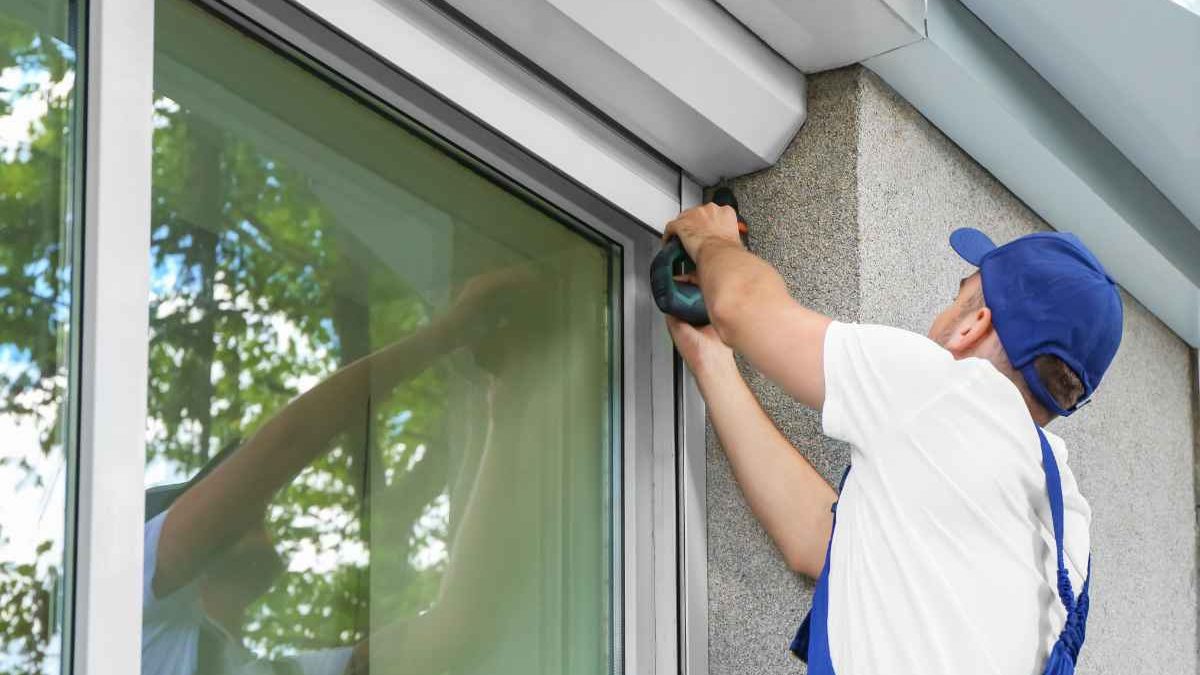

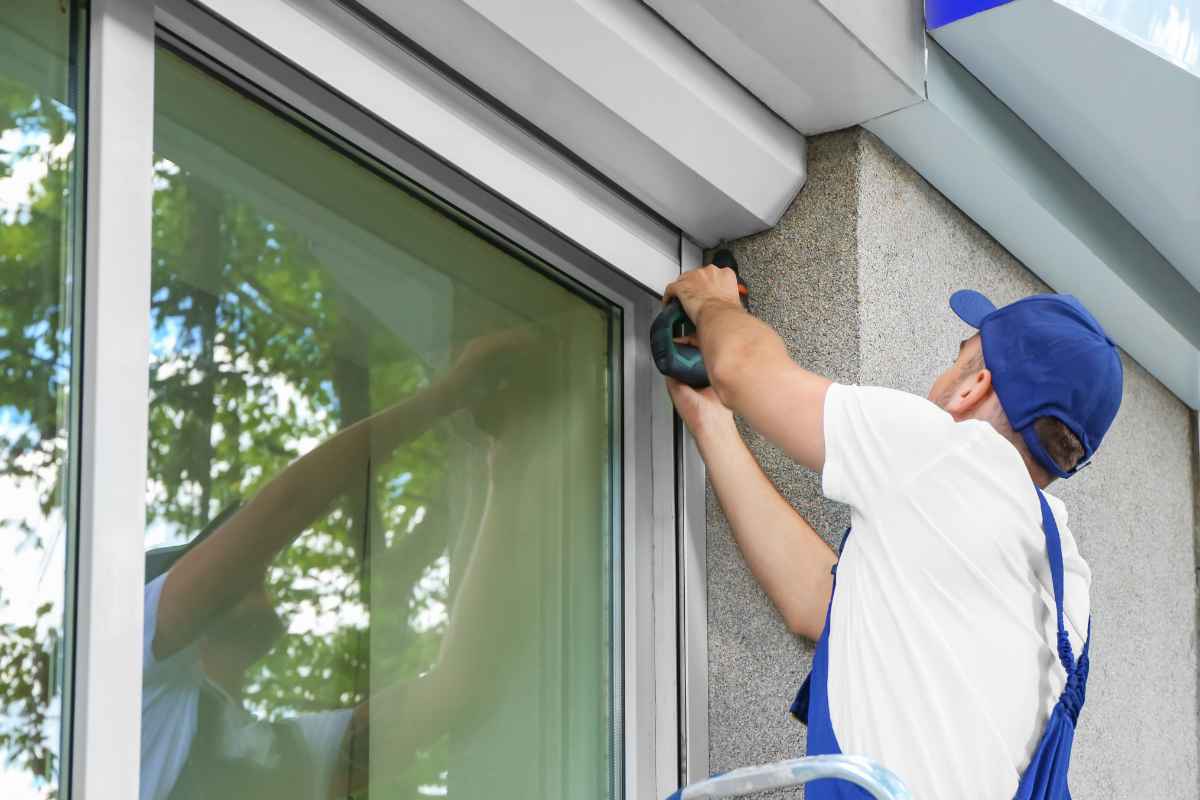
Older homes across the U.S. often lose a surprising amount of energy through outdated windows. The U.S. Department of Energy attests that up to 30% of heating and cooling can escape through inefficient glass and poorly sealed frames.
That loss affects monthly bills, indoor comfort, and the work HVAC systems must do year-round. Energy-smart window installation addresses these issues at their source by using modern materials and proper installation methods, helping stabilize indoor temperatures while reducing wasted energy. For homeowners focused on comfort, efficiency, and long-term value, window installation remains one of the most effective upgrades available.
Why Energy-Smart Window Installation
Window installation plays a larger role in home performance than many expect. Heat naturally rises from warm areas to cooler ones, and older single-pane or early double-pane windows offer little resistance to that movement. It may seem like a small thing, but during winter, the much-needed indoor warmth slips outside. And in summer, solar heat pours inward.
Air leakage compounds the problem. Even a one-eighth-inch gap around a frame allows continuous airflow. That draft forces heating systems to cycle more often, wearing components faster. Proper window installation seals these gaps, stabilizing indoor temperatures.
Always Choose Materials That Work With Your Climate
Smart window installation starts with choosing components that perform well year-round. Modern double-pane windows use argon gas between panes to slow heat transfer. Low-emissivity coatings reflect interior heat back into the interior during winter and limit solar gain during summer. Triple-pane glass offers added insulation in colder regions, though weight and cost increase.
Frames matter just as much beyond aesthetics. Vinyl resists moisture and limits heat flow. Fiberglass behaves nearly the same rate as glass, keeping seals intact through temperature swings. Wood, on the other hand, insulates effectively but requires upkeep.
Key Window Installation Features To Compare
Before committing to window installation, comparing a few performance benchmarks helps narrow options quickly and keeps the focus on efficiency rather than appearance.
- Lower U-factor for reduced heat loss: This rating measures how well a window resists heat transfer. Lower values; better insulation.
- Lower SHGC for warm climates: The solar heat gain coefficient shows how much solar heat enters through the glass. Lower numbers reduce unwanted heat buildup.
- Krypton or argon gas fills: These inert gases sit between panes and slow heat movement more effectively than air, improving insulation without adding bulk.
- Frame material matched to weather conditions: Vinyl, fiberglass, and wood respond differently to moisture and temperature shifts. Choosing the right frame supports long-term seal integrity and energy performance.
Installation Timing Keeps Life Steady
Timing affects comfort during and after window installation. Mild seasons reduce stress on heating and cooling systems while openings remain exposed. Spring and early fall often provide stable conditions that speed installation. Most homes complete window installation in one to two days per elevation, keeping disruption short.
Conclusion
Preparation keeps window installation controlled and predictable. Simple steps like clearing space, limiting dust, and planning for pets reduce disruption from day one. Clear schedules and cleanup routines set expectations. Once installation is complete, indoor temperatures stabilize quickly and energy use drops. Thoughtful planning turns window installation into a fast, high-impact upgrade with lasting comfort and measurable savings.