

Welding, cutting, brazing, and similar hot work operations are among the leading causes of workplace fires, largely because sparks and hot slag can travel far enough to ignite combustible material without anyone noticing right away. A dedicated fire watch guard is the safeguard built into hot work rules specifically to catch that delayed danger, and the role comes with its own set of requirements separate from a typical impairment-based watch.
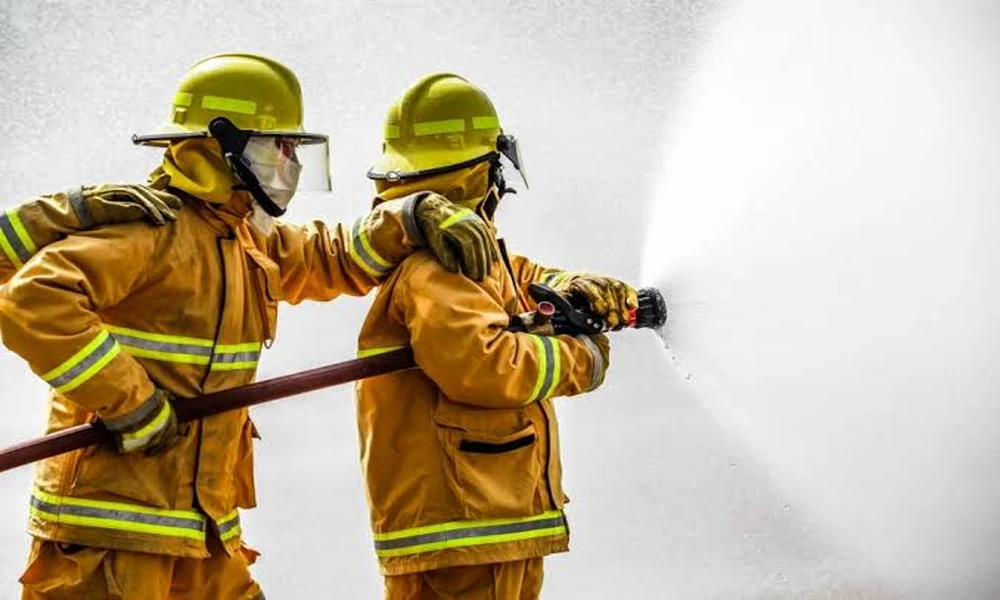
During welding, cutting, brazing, and other hot work, Fire Watch Security Guards provide dedicated monitoring to help identify sparks, flames, smoke, or smouldering materials before they develop into a larger fire. Their role can include maintaining a clear view of the work area, keeping suitable firefighting equipment nearby, communicating with workers, and continuing observation after the work is complete. Properly focused fire watch coverage adds an important layer of protection when hot work creates temporary fire hazards.
Why Hot Work Needs Its Own Fire Watch
When welding or cutting takes place near combustible material that cannot be removed or fully protected, a trained fire watch is required for the duration of the work. Sparks can smoulder undetected inside walls, insulation, or debris for a surprising length of time before flaring up, which is why the watch does not end the moment the torch is switched off.
The Guard’s Job While Work Is in Progress
During active hot work, the guard’s only responsibility is observation. Regulations are explicit that a fire watch cannot be given other tasks while hot work is underway, since divided attention defeats the purpose of the assignment. The guard needs a clear line of sight to the work area, a reliable way to communicate with the crew, extinguishing equipment within reach, and the authority to stop work if conditions become unsafe.
The Critical Post-Work Watch Period
Once the welding or cutting stops, the guard stays in place for a defined period afterwards, commonly a minimum of thirty minutes under general industry rules, to watch for smouldering material that could still ignite. Many companies and insurers extend that window to sixty minutes or longer, particularly in spaces with heavier fuel loads or limited visibility into concealed spaces like wall cavities.
Documenting the Hot Work Permit and Watch
Hot work is typically authorised through a written permit that records the location, the work being performed, the fire watch assignment, and the required post-work monitoring time. Keeping that permit on file alongside the guard’s observations creates a clear record that the job was supervised correctly from start to finish.
Special Considerations for Different Work Sites
The specifics of a hot work watch can shift depending on where the job takes place. Construction sites often layer additional fire prevention rules on top of the standard hot work requirements, particularly when sprinkler coverage is also impaired. Shipyard and maritime work follows its own version of the post-work watch, sometimes allowing an earlier release if a qualified person inspects the area first and finds no hazard. Confined spaces frequently require both a hot work permit and a separate entry permit, since the two hazards are addressed under different rules.
Conclusion
Hot work fire watch is a narrow but demanding assignment built around a simple reality: the danger does not end when the sparks stop flying. Guards who stay focused throughout the job, understand the site-specific rules that apply, and hold their post for the full period afterwards are often the reason a welding job ends without incident rather than with a fire discovered hours later.