
Energy costs represent one of the largest ongoing expenses for most households. While daily habits matter, the physical condition of the home often determines how much heating, cooling, and hot water are actually required. Targeted improvements that reduce waste and raise efficiency can produce steady savings year after year. Among the upgrades that deliver consistent results, many homeowners explore tankless water heaters for efficiency because traditional storage tanks continuously lose heat and consume energy even when no one is using hot water.
The projects below focus on practical changes that lower energy demand without requiring a complete home renovation. Each one addresses a major source of consumption and compounds the benefits of the others when combined.
Seal Air Leaks and Strengthen the Building Envelope
Conditioned air that escapes through gaps around windows, doors, outlets, and attic hatches forces heating and cooling systems to run longer. A thorough air-sealing effort using caulk, weatherstripping, and spray foam closes these pathways. The work is relatively inexpensive and often yields immediate reductions in runtime.
Attic insulation deserves equal attention. Heat rises, and inadequate insulation allows expensive warmed air to leave the living space in winter while permitting unwanted heat to enter during summer. Adding insulation to recommended levels creates a more stable indoor environment and reduces the load on HVAC equipment.
Improve Window Performance
Windows are a frequent source of heat gain and heat loss. Full replacement with high-performance double- or triple-pane units offers the greatest improvement, yet it is not the only option. Applying quality window film, installing cellular shades, or adding storm windows can noticeably cut solar heat gain in summer and reduce heat loss in winter.
Exterior shading-awnings, properly placed trees, or simple solar screens-further limits the amount of heat that enters through glass. These measures keep rooms cooler so the air conditioner cycles less often, directly lowering cooling costs.
Maintain and Optimize the HVAC System
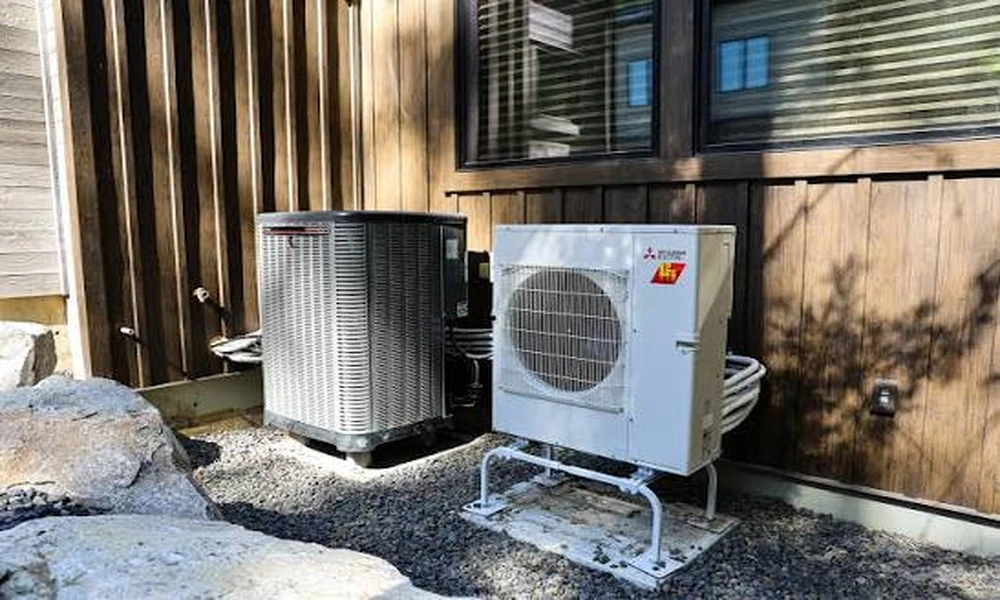
An air conditioner or furnace that operates with dirty coils, restricted airflow, or low refrigerant uses more energy to deliver the same comfort. Annual professional maintenance restores efficiency that declines gradually over time. Replacing filters on schedule and keeping outdoor units clear of debris supports the same goal.
When the system nears the end of its service life, upgrading to a higher-efficiency model can produce substantial long-term savings. Modern units deliver more heating or cooling per unit of energy and often include variable-speed technology that matches output to actual need rather than running at full capacity for every cycle.
Upgrade Lighting Throughout the House
Lighting accounts for a smaller share of total energy use than heating or cooling, yet the savings are easy to capture. Replacing remaining incandescent or halogen bulbs with LED equivalents cuts electricity consumption for lighting by 75 percent or more. LEDs also generate far less heat, which reduces the cooling load in warmer months.
Focus first on fixtures that operate many hours each day-kitchen ceiling lights, living-room lamps, and outdoor security lighting. The reduced wattage adds up across an entire home and requires no change in daily habits.
Improve Water-Heating Efficiency
Water heating ranks among the top energy users in most households. Storage tank heaters maintain a full tank of hot water around the clock, losing heat through the tank walls even during long periods of inactivity. Switching to a tankless system heats water only when it is needed, eliminating standby losses.
Additional steps also help. Insulating hot-water pipes reduces heat loss between the heater and the fixtures. Setting the temperature to 120°F provides adequate hot water for most uses while lowering energy consumption and reducing scald risk. Low-flow showerheads and faucet aerators decrease the volume of hot water required without sacrificing performance.
Install a Programmable or Smart Thermostat
Many homes still rely on manual thermostats that maintain the same temperature whether anyone is home or not. A programmable or smart thermostat automatically adjusts settings according to a schedule or occupancy patterns. Raising the temperature a few degrees when the house is empty in summer, or lowering it in winter, produces reliable savings while restoring comfort before occupants return.
Smart models can learn household routines and allow remote adjustment, preventing the system from running unnecessarily. The investment is modest and the payback period is often measured in months rather than years.
Seal and Insulate Ductwork
In homes with forced-air systems, leaky ducts can lose 20 to 30 percent of conditioned air before it reaches the living spaces. Sealing accessible ducts with mastic or approved tape and insulating those that run through attics or crawl spaces keeps more of the heated or cooled air inside the conditioned envelope.
The improvement is especially noticeable in rooms that previously felt hard to heat or cool. Better airflow also allows the system to reach the thermostat set point faster and shut off sooner.
Choose Efficient Appliances When Replacement Is Needed
Refrigerators, washing machines, and dishwashers that carry the Energy Star label use less electricity and water than older models. When an appliance reaches the end of its useful life, selecting a high-efficiency replacement locks in lower operating costs for the next decade or more.
Even small choices matter. Running full loads in the dishwasher and clothes washer, and using cold water for laundry when possible, further reduces energy and water use without any equipment changes.
Track Progress and Prioritize High-Impact Projects
Not every improvement produces the same return. Air sealing, insulation, and HVAC maintenance usually deliver the fastest payback. Water-heating upgrades and lighting changes follow closely. Monitoring monthly energy use before and after each project confirms which measures create the largest reductions and guides future spending.
Home improvements that lower energy bills work best when they address the largest sources of waste first. Sealing leaks, improving insulation, maintaining heating and cooling equipment, upgrading lighting, refining water heating, and installing better controls each reduce demand in a measurable way. Over time these changes compound, producing a more efficient house that costs less to operate while remaining comfortable throughout the year.
Conclusion
Implementing the right home improvements creates measurable, long-term reductions in energy bills while enhancing overall household efficiency. Air sealing, insulation upgrades, optimized HVAC performance, efficient lighting, smarter water heating, and programmable thermostats work together to minimize waste and lower utility expenses year after year. These energy-saving home improvements not only reduce monthly costs but also extend equipment life and improve indoor comfort. By prioritizing high-impact projects first and tracking results, homeowners build a more efficient residence that continues to deliver reliable savings and consistent performance for the long term.