

The Purpose of a Patrol
A fire watch patrol exists to fill the gap left when a building’s automatic detection or suppression systems are impaired. Rather than relying on technology to notice smoke or heat, trained personnel physically move through the affected areas on a set schedule, using their own senses and judgment to catch problems that a machine would normally flag. This human layer of protection is temporary by nature, but while it is in place, it carries the same level of responsibility as the system it is standing in for.
To maintain compliance and ensure maximum coverage during a system outage, many facility managers partner with specialized providers like The Fast Fire Watch Company to deploy certified personnel who can step in on short notice. Doing so ensures that dedicated inspectors take over the physical surveillance seamlessly, adhering strictly to local fire codes and national safety standards without pulling internal staff away from their primary duties.
Patrols are not casual walk-throughs. NFPA guidance describes a fire watch as involving trained personnel who continuously patrol the affected area, checking not only for signs of fire but also confirming that other protective features, such as exits and alarm systems, remain functional and unobstructed.
How Often and Where Patrols Occur
The interval between patrols is typically set by the local authority having jurisdiction, but thirty-minute rounds are common, with fifteen-minute intervals sometimes required in higher-hazard environments. A proper patrol route covers the entire affected area, including spaces that are easy to overlook, such as basements, rooftops, storage rooms, and concealed mechanical spaces. Skipping these less visible areas can leave a serious blind spot in an otherwise thorough watch.
Each round should be documented immediately after it is completed, noting the time, the areas checked, and anything observed. This log is not just a formality; it becomes the evidence a fire marshal or insurer will look to if questions arise about whether the watch was properly conducted.
What Personnel Are Trained to Do
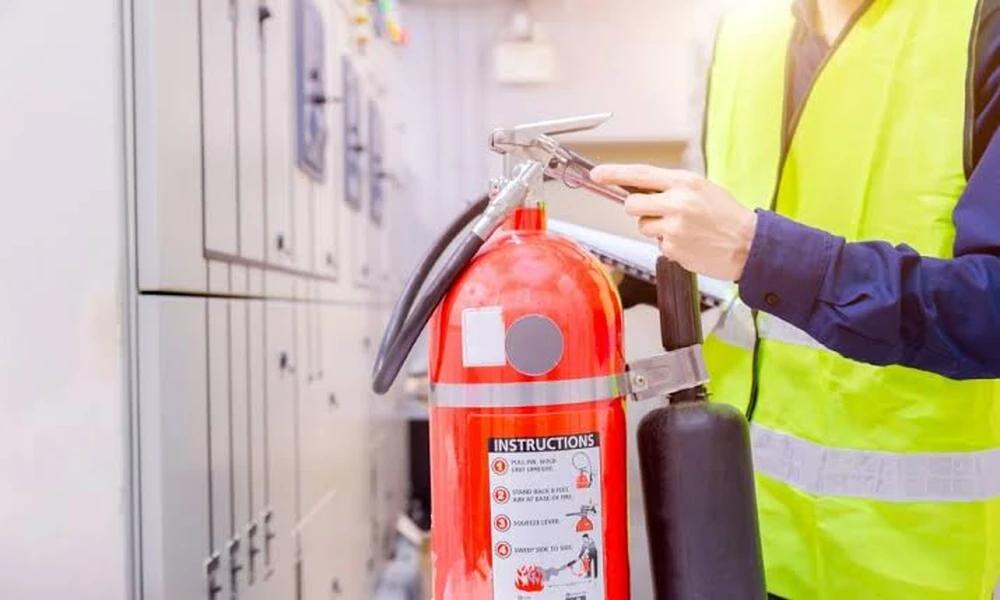
Fire watch personnel are trained to recognise the early signs of fire, including smoke, unusual heat, and burning odours, and to respond immediately if any of these are detected. Their first priority is almost always to notify emergency services and building management, followed by assisting with evacuation if the situation calls for it. Where appropriate and safe, a trained individual may also use a portable extinguisher to address a very small, contained fire.
Because the role demands constant vigilance, fire watch duty should never be combined with other responsibilities such as access control or general security work. A distracted watch is an ineffective one, which is why many facilities choose to bring in dedicated personnel for the duration of the impairment.
Coordinating Patrols With Hot Work
Patrol procedures take on added importance whenever hot work such as welding, cutting, or grinding is being performed. In these situations, a fire watch is often required not only during the work itself but for a defined period afterwards, since sparks and residual heat can smoulder unnoticed for some time before igniting nearby materials. Every hot work permit should reference the corresponding fire watch plan, and the timing and coverage documented in each should match precisely.
Final Thoughts
A fire watch patrol is only as strong as the discipline behind it. Clear routes, consistent timing, thorough documentation, and properly trained personnel together turn what might otherwise be a token gesture into a genuinely effective safeguard, keeping occupants protected until a building’s automatic systems are fully restored.